
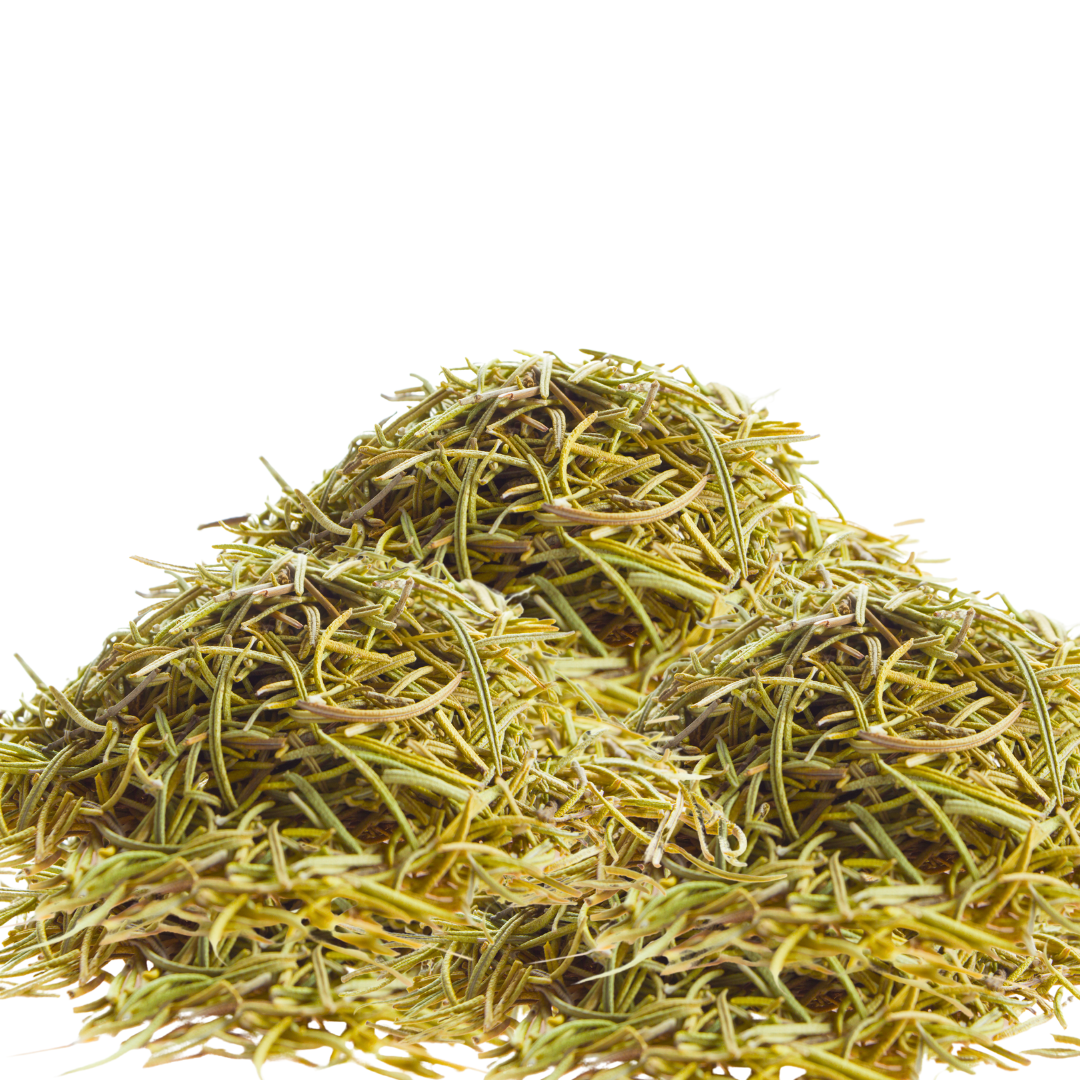
Rosemary : Description: Rosemary is derived from the dried leaves of the rosemary plant (Rosmarinus officinalis). This aromatic herb is known for its distinctive pine-like fragrance and is commonly used as a culinary seasoning. The powder form allows for convenient use in various dishes and applications. Nutritional Breakdown: While rosemary is more renowned for its flavor than its nutritional content, it does offer some essential compounds: Antioxidants: Rosemary contains antioxidants, including rosmarinic acid and carnosic acid, which help combat oxidative stress. Vitamins and Minerals: Provides small amounts of vitamins like vitamin C and certain minerals, including iron, calcium, and manganese. Potential Benefits: Antioxidant Properties: The antioxidants in rosemary may help neutralize free radicals and reduce oxidative damage in the body. Anti-Inflammatory Effects: Rosmarinic acid, found in rosemary, has anti-inflammatory properties, potentially contributing to overall health. Improved Digestion: Traditionally, rosemary has been used to aid digestion and alleviate digestive discomfort. Memory and Cognitive Function: Some studies suggest that the aroma of rosemary may have a positive impact on memory and cognitive function. Antimicrobial Properties: Rosemary has natural antimicrobial properties that may help combat certain bacteria and fungi. How to Use Rosemary Powder: Culinary Uses: Use rosemary powder as a seasoning for meats, poultry, and roasted vegetables. It adds a savory and aromatic flavor. Marinades and Rubs: Include rosemary powder in marinades or rubs for meats and fish to enhance flavor. Breads and Baked Goods: Incorporate rosemary powder into bread doughs, focaccia, or baked goods for a fragrant and savory twist. Soups and Stews: Add rosemary powder to soups, stews, and sauces for an extra layer of flavor. Homemade Seasoning Blends: Create your own seasoning blends by combining rosemary powder with other herbs and spices. Infusions: Make rosemary-infused oils or vinegars for culinary applications. Ensure proper food safety practices. Herbal Tea: Prepare a herbal tea by steeping dried rosemary leaves, or add a pinch of rosemary powder to tea blends for a unique flavor. Caution: Moderation: While rosemary is generally safe when used in culinary amounts, excessive intake may lead to potential side effects. Use it in moderation. Essential Oil Consideration: Rosemary essential oil is more concentrated than the powder. If using rosemary essential oil, proper dilution and usage guidelines should be followed. Pregnancy and Medical Conditions: Pregnant individuals or those with certain medical conditions should consult with a healthcare professional before using rosemary supplements or extracts. Rosemary powder can be a flavorful addition to your culinary repertoire, providing not only taste but also potential health benefits. As with any herb or spice, enjoy it as part of a varied and balanced diet. If you have specific health concerns, consult with a healthcare professional or a registered dietitian for personalized advice.